
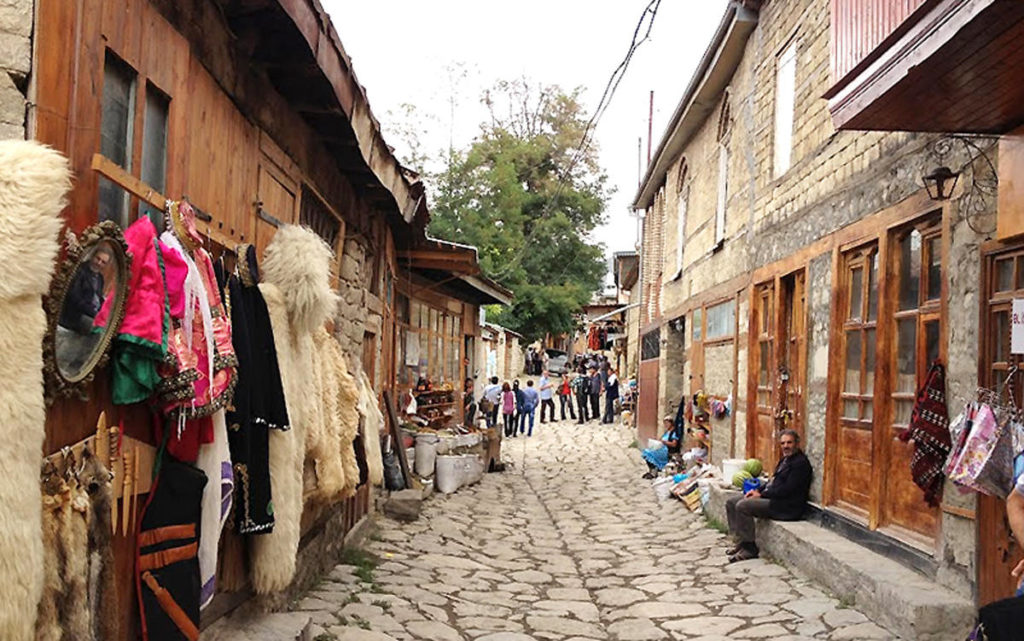
Lahij
Lahij is a notable place in Azerbaijan, with its authentic handicrafts traditions, particularly related to copper. The village's carpet and rug crafts are also well known in Azerbaijan and the South Caucasus. Lahij has an old sewage system (some experts claim that it was built 1000 – 1500 years ago). Due to frequent earthquakes local people have developed sophisticated and authentic construction techniques.
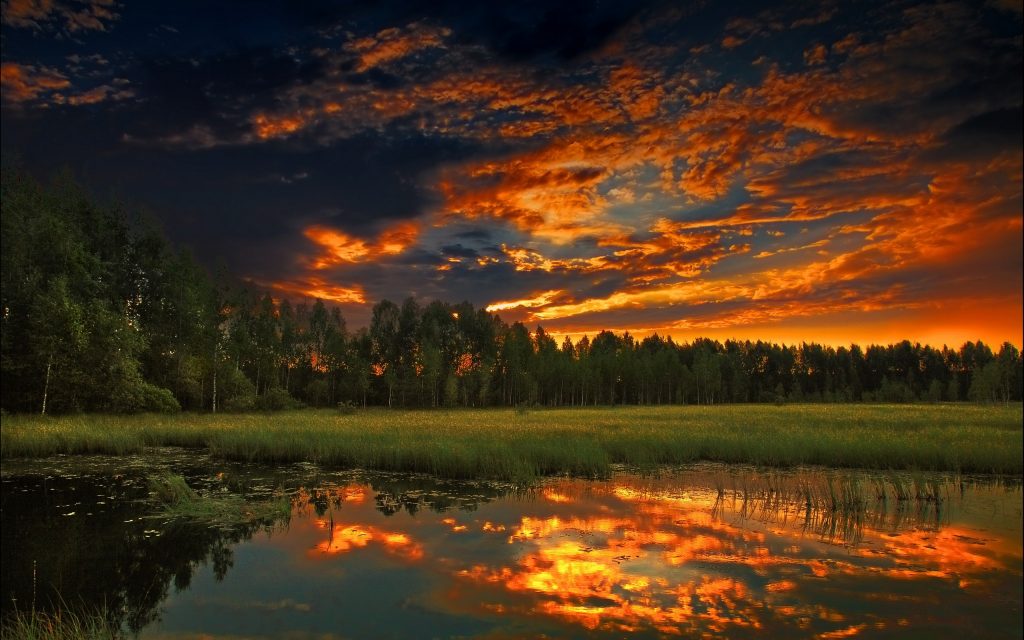
Ivanovka
İvanovka is a village and municipality in the Ismayilly Rayon of Azerbaijan. Ivanovka, is the only village in Azerbaijan where a kolxoz (collective farm) still exists. This isthe last place in the world where Kolkhoz from Soviet times is preserved. In the ‘90s a wave of emigration started from Ivanovka to Russia. Not only the collapse of the Soviet Union, as well as economic crisis affected it. People began to leave the village in search of a more stable life. Today, the opposite process observed. Among the workers of the collective farm.
Glass House
Butulka house - historical building in Ganja. The use of bottles instead of construction materials make this house famous The building was built in 1966. In the construction of the building, smaller medicinal bottles, and also of different sized marine stones were used. This is the fantasy of an architect named Ibrahim Jafarov. In 1966-1967, Ibrahim Jafarov built his house in memory of his missing brother Yusuf. He hoped that Yusuf, who at 26 years of age had gone to the army and did not come back, would hear the petition of this house and return. He used 48,000 bottles, including champagne and smaller bottle glasses, in the construction of a house he built. Abraham's bride and grandson now lives in a house where a man leaves. On the back side of the house, it is written in Russian "Love for an unknown soldier of the country!"

Khan's Palace
Although the official documents are called "Khan Bagi", they are actually "Sardar Bağı". Sardar's Garden was named after the prince on the initiative of the Prince Mikhail Vorontsov in 1847 in the Tsar's Caucasus.
Khan Bagi, which was historically a resting-place of khans in Ganja, was abolished after the Russian invasion and some of the trees there were relocated to Sardar’s Garden. The garden is now one of the main rest places of the people.

The Shah Abbas Mosque
The Shah Abbas Mosque, which is one of the masterpieces of the 17th century Azerbaijani architecture, was built in 1606. Shaykh Bahaddin Mohammad Amili is the architect of the magnificent temple, located in the center of Ganja and known as the Juma Mosque among the people. The Shah Abbas mosque was built of egg white and clay mixture and baked red bricks. Two minarets were added in front of the mosque in 1776. The big dome of the monument-shaped monument (17 m) draws attention. The temple area of the temple is very broad and differs by its height. Engraved ornaments on the mausoleum in the Shah Abbas Mosque are considered to be fine examples of networking art. One of the minarets was bent in 1920 under the influence of the Bolsheviks and missiles thrown into the city. As a result of the atheistic policy pursued by the Soviet authorities, the madrasa of the mosque was completely destroyed. Famous Azerbaijani poet and historian Abbasgulu aga Bakikhanov gave detailed information on the construction, history and architecture of Shah Abbas mosque. The prominent writer Mirza Shafi Vazeh has taught calligraphy in this mosque's madrasa for a long time. It is here that the great thinker of our people, Mirza Fatali Akhundov, studied the special calligraphy method “Nastaliq” from him